
24.3.2026 | 17:00 CET
The energy landscape of 2026 demands more than simple supply management—it forces a transition to sophisticated asset orchestration.
As volatility increases, the margin for error narrows. Join us to discover why a combined flexibility strategy is the only way forward. We will contrast the macro-stability provided by large-scale thermal assets with the micro-flexibility of distributed battery networks, showing why the 2026 grid requires this dual approach.
In this session, experts from Fraunhofer, Delta Green, and MND will demonstrate how protecting supplier margins and creating new revenue streams requires a portfolio that leverages both heavy infrastructure and distributed micro-assets.

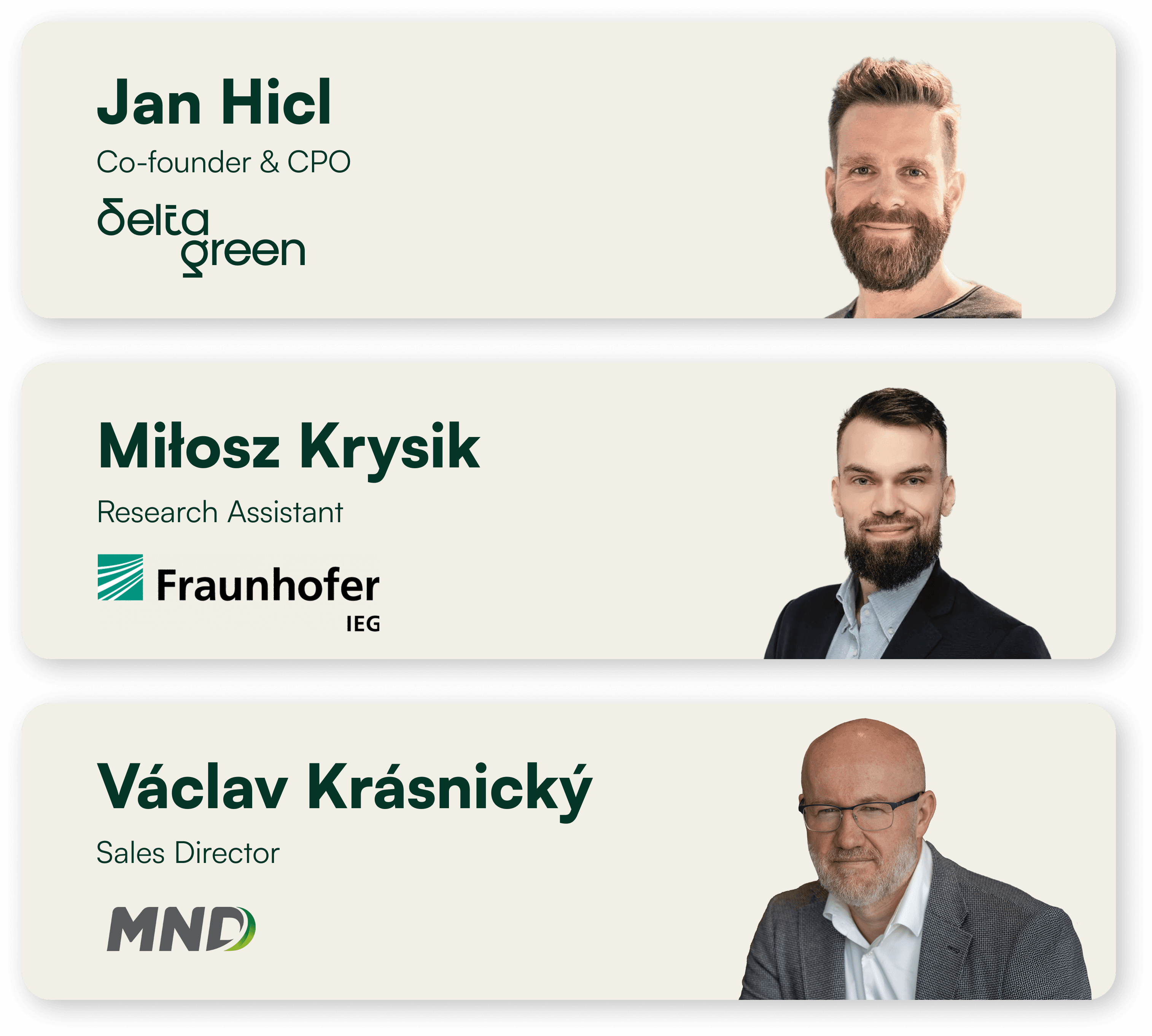
Miłosz Krysik, Fraunhofer
The Strategic Role of Large-Scale Heat Pumps in Grid Stability
Fraunhofer IEG presents a research-based concept for flexible, grid-supportive large-scale heat pumps. The session explores how electricity markets and ancillary services can significantly improve economic performance.

Jan Hicl, Delta Green
Aggregating Micro-Assets at the Utility Level
While industrial assets provide volume, residential assets provide speed and precision. Jan Hicl discusses the rise of the Virtual Power Plant (VPP) and how aggregating thousands of small-scale residential assets creates a powerful, decentralized flexibility tool.
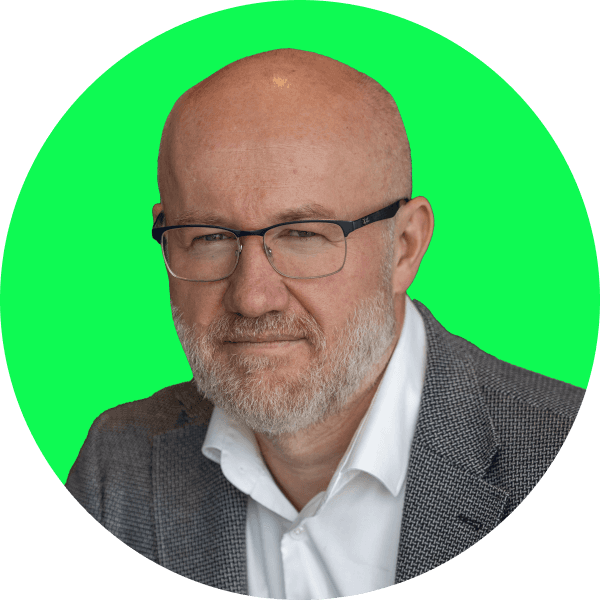
Václav Krásnický, MND
Residential Flexibility at MND: A Live Case Study
Flexibility is now a measurable reality. This session explores how MND, a top Czech energy provider, deploys residential flexibility in a live production environment to build one of the best solar tariffs on the market.

Q&A
An open floor discussion. Bring your questions regarding regulation, technology stacks, or market predictions for 2026.

Book your spot
Join us to discover why a combined flexibility strategy is the only way forward.